
"Hacienda Carmona"
300 article(s) found

Introduction to Guatemala Agua Dulce Coffee
Pay close attention to coffee comment (Weixin Official Accounts vdailycom ) and find that Meimei Cafe has opened its own small shop in Dulce Sea area of Agua Volcano District on Antigua Island of Guatemala. 100% Arabica coffee beans are produced in this area. Its branch varieties are mainly Bourbon, Tiepika, Cadua and Cadura. There are also a small number of yellow Bourbon, Guixia and Pakamara varieties. Antigua Island is coffee.

A brief introduction to the cultivation of high-quality Guatemalan coffee beans, geographical location, climate and altitude
Guatemala has seven major coffee producing areas: Antigua,Coban,Atitlan,Huehuetenango,Fraijanes,Oriente and San Marcos. Antigua is a famous producer of coffee. Antigua coffee is produced in Hacienda Carmona, where the best quality coffee is EL Pulcal, which is not only of good quality, but also better than

Treatment methods of Guatemalan coffee beans
Coffee production in Guatemala has declined relatively, at 700kg per hectare, while that in El Salvador is 900kg per hectare and that in Costa Rica is even more astonishing, at 1700 kg per hectare. The export of dangerous Dimara coffee is controlled by private companies, but the National Coffee Council (Asociacion Nacional de Cafe) controls the coffee industry.

What kind of coffee is popular in Guatemala?
There are few places in the world that offer a variety of high-quality coffee beans like those produced in Guatemala. The excellent quality of Guatemalan coffee beans is due to the unique conditions of their producing areas, including different climate change in each region, rich soil formed by volcanoes, abundant natural water resources, high-altitude mountains and shady and moist forests. There are seven main coffees in Guatemala

Rich Guatemalan Coffee introduces Antigua Coffee from La Tisa Manor
There are few places in the world that offer a variety of high-quality coffee beans like those produced in Guatemala. The excellent quality of Guatemalan coffee beans is due to the unique conditions of their producing areas, including different climate change in each region, rich soil formed by volcanoes, abundant natural water resources, high-altitude mountains and shady and moist forests. There are seven main coffees in Guatemala

Guatemala coffee producing all kinds of coffee beans Introduction Latissa Estate
There are few places in the world that offer the variety of quality coffee beans produced in Guatemala. Guatemala coffee beans are excellent because of the unique conditions of their origin, including different climatic changes in each region, rich volcanic soils, abundant natural water resources, high altitude mountains and shady and humid forests. Guatemala has seven major coffees
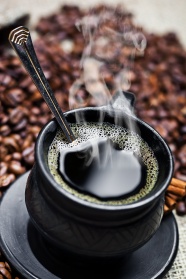
Introduction of Guatemalan Coffee beans
Coffee production in Guatemala has declined relatively, at 700kg per hectare, while that in El Salvador is 900kg per hectare and that in Costa Rica is even more astonishing, at 1700 kg per hectare. Guatemalan coffee exports are controlled by private companies, but the National Coffee Council (AsociacionNacionaldeCafe) controls other ministries of the coffee industry.

What's the taste of the coffee beans at Ladisha Manor? description.
The taste of coffee beans in La Tisa Manor is described. The average altitude of the dangerous country is high. Coffee belts are distributed over 1500 meters. Between 14 and 16 degrees north latitude, it is easiest to grow extremely hard beans, all of which are washed. 45% of them belong to the fine grade, the proportion is quite high, and a small number of Robusta Antigua Island is a famous producing area of coffee. Coffee from Antigua comes from Camana Villa.

Flavor and taste characteristics of Guatemalan coffee, commercial coffee roaster
Guatemalan coffee has a strong aroma, even if you don't drink it, just smelling it is already a pleasure. Antigua coffee has a rich and velvety mellow, rich and lively aroma, and fine sour taste. When the attractive fragrance lingers on the tip of your tongue, there is an indescribable mystery. You may feel dull at the first sip, but as the coffee slows down

Description of roasting Flavor of Pacamara Coffee and beans in Guatemala
Guatemala Pacamara Coffee Bean Baking Flavor description Taste Manor Variety introduction here, the slopes of the Sierra Madre volcano provide ideal conditions for growing high-quality coffee beans, and coffee grown at high elevations is full of vitality. Compared with other kinds of coffee, tasters prefer this mixed flavor coffee with spicy flavor. The special features of this place

The Origin of Guatemalan Coffee beans
Coffee production in Guatemala has declined relatively, at 700kg per hectare, while that in El Salvador is 900kg per hectare and that in Costa Rica is even more astonishing, at 1700 kg per hectare. Guatemalan coffee exports are controlled by private companies, but the National Coffee Council (AsociacionNacionaldeCafe) controls other ministries of the coffee industry.

Introduction to the planting Environment of Coffee beans in the Dome Manor of Guatemala
Guatemala Dome Manor Guatemala, a total of seven major coffee producing areas, each producing different coffee flavors, but to sum up, Guatemalan coffee shows a mild and mellow overall texture, elegant aroma, and with similar acidity and pleasant acidity, has become the aristocracy of coffee, of which Antigua coffee (AntiguaClassic) has won the whole.

Description of Flavor and Flavor of Coffee varieties in Incht Manor
Incht Manor altitude Coffee Variety description Taste production area here, the slopes of the Sierra Madre volcano provide ideal conditions for growing high-quality coffee beans, and coffee growing at high altitude is full of vitality. Compared with other kinds of coffee, tasters prefer this mixed flavor coffee with spicy flavor. The extra hard coffee beans here are even more difficult.

What are the most famous coffee plantations?
Costa Rica's crop is even more impressive, reaching 1700 kilograms per hectare. Guatemala's coffee export trade is controlled by private companies, but the National Coffee Council (Asociación Nacional de Cafe) controls the rest of the coffee industry. Some of Guatemala's finest coffee is exported to Japan, where it sells for $3 to $4 a cup. most of the

Characteristics of Coffee Origin in Guatemala
Coffee production in Guatemala has declined relatively, at 700kg per hectare, while that in El Salvador is 900kg per hectare and that in Costa Rica is even more astonishing, at 1700 kg per hectare. The export of dangerous Dimara coffee is controlled by private companies, but the National Coffee Council (Asociacion Nacional de Cafe) controls the coffee industry.
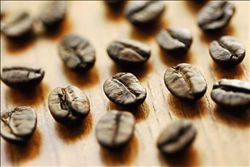
Introduction of boutique Guatemalan coffee beans
Coffee production in Guatemala has declined relatively, at 700kg per hectare, while that in El Salvador is 900kg per hectare and that in Costa Rica is even more astonishing, at 1700 kg per hectare. The export of dangerous Dimara coffee is controlled by private companies, but the National Coffee Council (Asociacion Nacional de Cafe) controls the coffee industry.
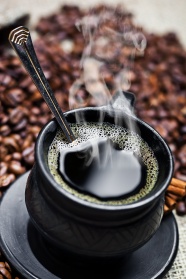
The Origin of Guatemalan Coffee beans
Coffee production in Guatemala has declined relatively, at 700kg per hectare, while that in El Salvador is 900kg per hectare and that in Costa Rica is even more astonishing, at 1700 kg per hectare. The export of dangerous Dimara coffee is controlled by private companies, but the National Coffee Council (Asociacion Nacional de Cafe) controls the coffee industry.

Flavor Origin of Guatemalan Coffee beans
Coffee production in Guatemala has declined relatively, at 700kg per hectare, while that in El Salvador is 900kg per hectare and that in Costa Rica is even more astonishing, at 1700 kg per hectare. The export of dangerous Dimara coffee is controlled by private companies, but the National Coffee Council (Asociacion Nacional de Cafe) controls the coffee industry.

Treatment methods of Guatemalan coffee beans
Coffee production in Guatemala has declined relatively, at 700kg per hectare, while that in El Salvador is 900kg per hectare and that in Costa Rica is even more astonishing, at 1700 kg per hectare. The export of dangerous Dimara coffee is controlled by private companies, but the National Coffee Council (Asociacion Nacional de Cafe) controls the coffee industry.

Guatemala coffee beans how to practice Guatemala coffee beans characteristics
Coffee production in Guatemala has declined relatively to 700 kg/ha, compared with 900 kg/ha in El Salvador and an astonishing 1700 kg/ha in Costa Rica. Guatemala's coffee export trade is controlled by private companies, but the National Coffee Council (Asociación Nacional de Cafe) controls the coffee industry.